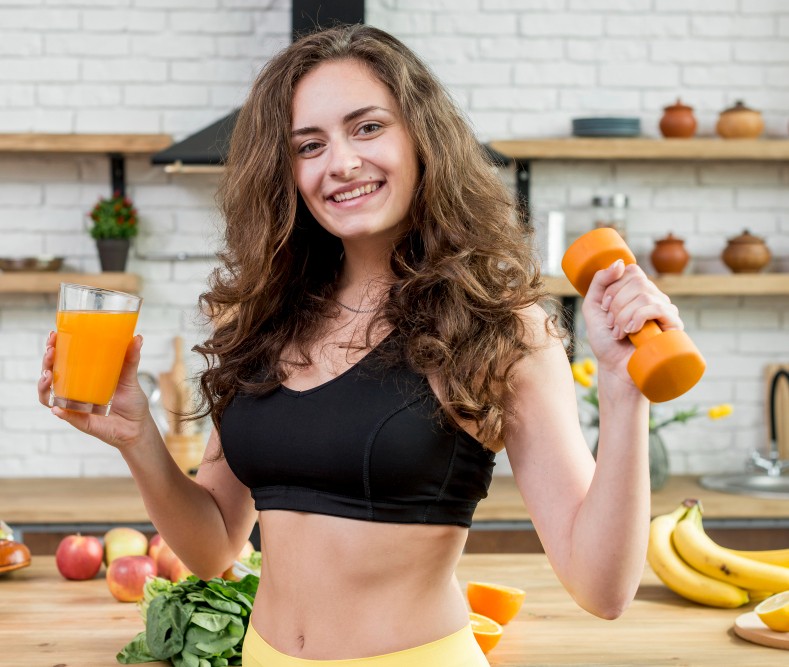
What is ultra processed food ?

Introduction
Ever find yourself staring at your plate and asking, “Wait… what is the food I’m eating again?” Yeah, same.
The whole conversation around ultra-processed food has exploded lately — social media influencers, health gurus, your fitness-obsessed coworker… everyone seems to be talking about it. But, those chickens aren’t very widely known – ironically when most people still do not quite know what the word means.
But here’s the plot twist: You have probably consumed ultra-processed food today without even knowing it. Maybe it was that protein bar you swore was healthy. Maybe the microwave meal you rushed through last night. Maybe even the flavoured yogurt sitting in your fridge right now.
In this guide, we’ll break down what ultra-processed food is, why it matters, and how to avoid the sneaky stuff — all in a super friendly, no-judgment, real-talk kind of way.
By the way, we’ll also sprinkle in helpful keywords like what are ultra processed foods examples, high protein foods, high protein snacks, and even the benefits of green tea (yup, it all ties together).
Let’s dive in.
What Is Ultra-Processed Food?
Ultra-processed food (UPF) is any food that’s gone way beyond simple cooking or preserving. We’re talking about industrial-level processing, fancy additives, chemical flavor agents, emulsifiers, stabilizers — basically anything your grandmother wouldn’t recognize as food.
Think of UPFs as the “too perfect” Instagram influencers of the food world. They look great, taste irresistible, last forever… but behind the scenes? A lot of artificial enhancement.
The NOVA Classification System
Scientists classify food into four categories:
- Unprocessed or minimally processed
(fruits, veggies, rice, eggs — things that look like themselves) - Processed culinary ingredients
(oils, butter, sugar, salt) - Processed foods
(cheese, canned vegetables, fresh bread)
4. Ultra-processed foods
(the kind we’re talking about)
UPFs often contain:
- Artificial flavors
- Flavor enhancers
- Emulsifiers
- Preservatives
· Excess sugar, salt and unhealthy fats
- Ingredients you can’t pronounce
· If the list of ingredients reads like a chemistry experiment, congratulations … you’re eating an ultra-processed food.
What Are Ultra Processed Foods? Examples You See Every Day
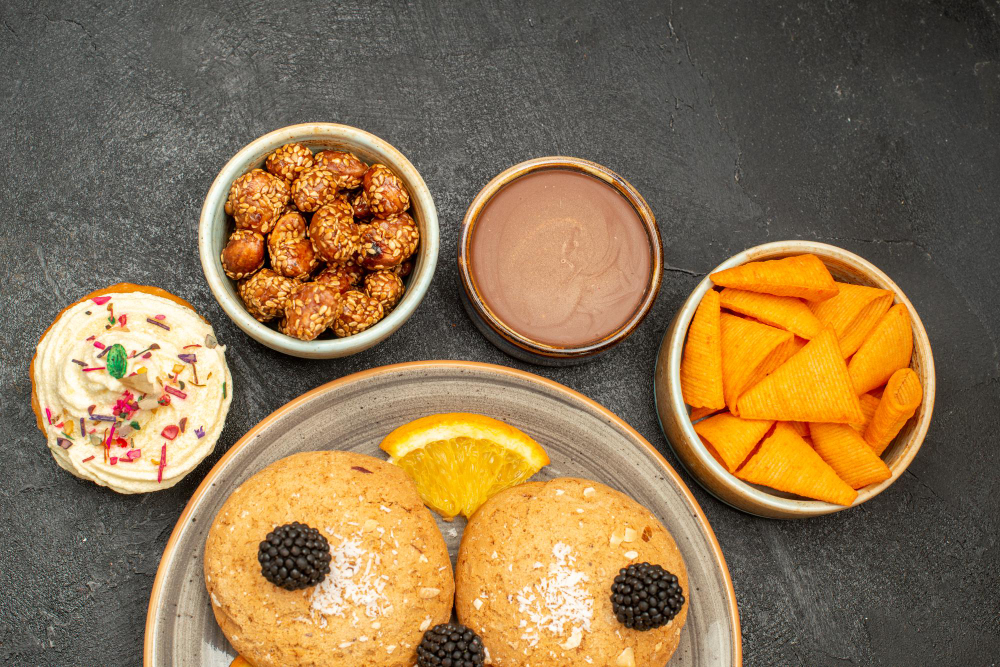
Here are the most common what are ultra processed foods examples people eat without thinking:
1. Breakfast foods
- Sugary cereals
- Flavored yogurt
- Packaged muffins
- Instant pancakes
- Toaster pastries
Funny enough, some of the things marketed as “healthy breakfast options” are actually UPFs in disguise.
2. Snacks (the sneaky category)
- Protein bars
- Bagged chips
- Cheese-flavored crackers
- Candy
- Packaged cookies
- Pretzels
High protein snacks are especially tricky — many bars are packed with artificial sweeteners and processed isolates.
3. Drinks
- Soda
- Energy drinks
- Sweetened iced tea
- Processed juices
- Flavored coffee drinks
By the way… if the drink is neon, it’s probably ultra-processed.
4. Ready meals
- Microwave dinners
- Instant noodles
- Frozen pizza
- Packaged pasta meals
Convenient? Yes. Real food? Debatable.
5. Fake “healthy” foods
- Low-fat flavored yogurt
- Reduced-fat peanut butter
- “Diet” snacks
- Low-calorie frozen meals
- Protein cookies
Sometimes the packaging screams FIT! HEALTH! CLEANSING VIBES! but the ingredients tell another story.
Why Ultra-Processed Foods Matter for Your Health
Let’s make something clear — this isn’t about food shaming. We’ve all lived off frozen pizza during stressful times. But consistent intake of UPFs has been linked to:
- Weight gain
- Digestive problems
- Higher risk of heart disease
- Type 2 diabetes
- Inflammation
- Increased cravings
- Fatigue
No judgment — just facts.
Why They’re So Addictive
UPFs are designed to be hyper-palatable — meaning they hit all your pleasure zones at once:
- Sweet ✔
- Fatty ✔
- Salty ✔
- Crunchy ✔
You know that feeling when you open a bag of chips “just to have a few”… and suddenly it’s empty? Not your fault. They’re engineered that way.
Are All Processed Foods Bad? No — And Here’s Why
Let’s kill the biggest myth: not all processed food is bad.
Frozen vegetables? Great.
Greek yogurt? Fantastic.
Canned beans? Amazing source of fiber.
It’s the ultra processed food category that’s the real troublemaker.
So… What Should You Eat Instead?
Instead of demonizing food, let’s focus on smart swaps that still taste good.
High Protein Foods to Lean On
Need better options to stay satisfied and energized?
Try these high protein foods:
- Eggs
- Lean chicken
- Cottage cheese
- Greek yogurt (plain)
- Lentils
- Chickpeas
- Tofu
- Salmon
- Tuna
- Edamame
- Grass-fed beef
Simple, real, nutrient-dense.
Smart High Protein Snacks
Swap UPF snacks for these:
- Hard-boiled eggs
- Greek yogurt + berries
- Homemade protein balls
- Nuts and seeds
- Cottage cheese with fruit
- Tuna pouches
- Roasted chickpeas
All satisfying. None engineered in a lab.
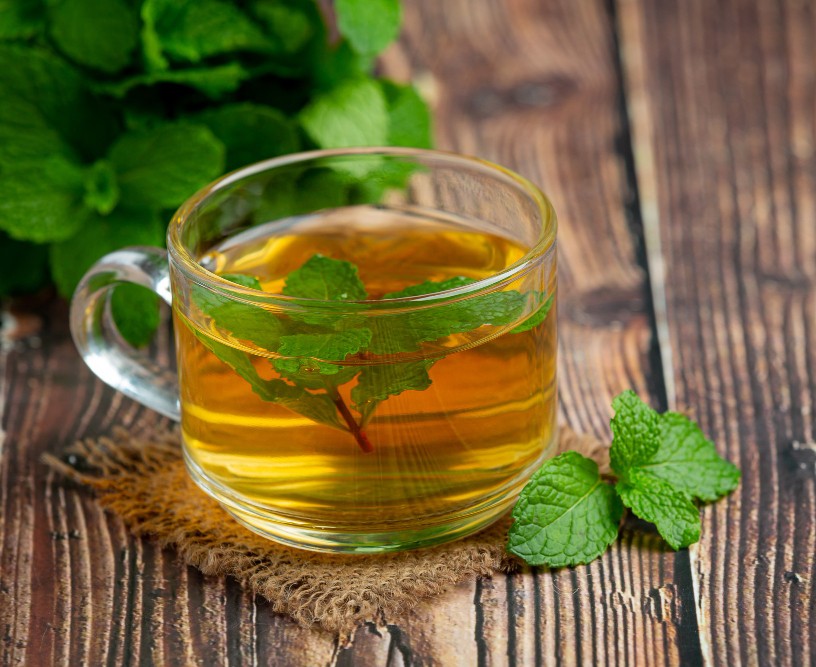
Benefits of Green Tea (Why It Belongs in the Conversation)
You might wonder why we’re talking about green tea in an article on UPFs.
Simple: people reach for soda or energy drinks when they want a boost. Green tea is the perfect upgrade.
Benefits of green tea include:
- Supports metabolism
- Stabilizes energy levels
- Rich in antioxidants
- Reduces inflammation
- Supports brain health
If you’re trying to reduce ultra-processed drinks, green tea is one of the easiest swaps.
How Ultra-Processed Foods Have Impacted Me Personally
A few years ago, I practically depend on microwave meals and protein bars.
Why? Convenience. And okay… laziness.
I’d begin my day with a “healthy” breakfast bar (packed full of artificial sweeteners). Lunch was a frozen burrito. Dinner? Usually instant noodles or pizza. I thought I was being productive with my eating habit. But truthfully? I was tired, puffy and constantly, feeling hungry.
When I shifted to simpler meals — eggs, rice bowls, actual vegetables — something clicked. Energy level increased . My stomach stopped feel healthy . I slept better.
Point is: your body knows the difference.
How to Spot Ultra-Processed Food Instantly
Here’s a quick cheat sheet.
Major List Of Ingredients It’s longer than a novel
If there are over 10–12 ingredients in the package, pause for a moment.
1. You don’t recognize half the ingredients
If it sounds like sci-fi… it probably is.
2. It lasts way longer than normal food
Does it stay fresh for months? UPF alert.
3. It’s marketed as “healthy” but tastes like dessert
Probably loaded with hidden sweeteners and flavor agents.
4. It’s incredibly cheap and incredibly tasty
That combo is rarely natural.
Practical Ways to Minimize Ultra-Processed Food
You don’t need to reinvent yourself overnight. Start small
1. Cook one meal at home a day
Even if it’s just a simple stir-fry
2. Shop the perimeter of the grocery store
That’s where you’ll find the real food.
3. Read labels like your health depends on it
Because… it kinda does.
4.Switch sugary drinks for green tea or water.
Small change, big difference.
5. Build meals around protein + veggies
Keeps you full and limits cravings.
Conclusion
Ultra-processed foods are not your enemy — but they are also not your BFF. After you learn what they are and how they affect your body, you can make wiser decisions with an eye toward convenience, flavor and sanity. If you take only one thing away from this article, make it this: Small tweaks to your daily diet can add up to massive long-term gains.
If you take nothing else from this article, let it be this:
Little things you do with your daily food decisions can yield huge long-term results
Ready to clean up your plate (without giving up everything you love)?
Drop a comment below — what’s one UPF you’re trying to cut back on?
FAQs
What is ultra-processed food?
It is food that contains additives from industry and things not typically found in a home cook’s kitchen — words like flavor enhancers, emulsifiers, artificial sweeteners and preservatives.
What are ultra processed foods examples?
Such are alcohol, soda, chips, boxed cookies, frozen pizza and instant noodles, sugar-loaded cereals or the majority of protein bars.
Are high protein snacks healthy?
Some are! Whole-food, protein-rich snacks — such as eggs, nuts, yogurt or tuna — are nutritious.
Is green tea better than energy drinks?
Yeah — green tea has good antioxidants and a gentle buzz without the chemicals and sugars in many energy drinks.
How can I avoid ultra-processed foods?
Focus on whole foods, cook more meals at home, read labels and shop the supermarket perimeter; choose simple snacks like nuts, yogurt and fruit
Are all processed foods unhealthy?
Not at all. Canned beans, frozen vegetables and whole-grain bread are incredibly healthy even though they are lightly processed. It is the ultra-processed category that you want to limit.
Are all processed foods unhealthy?
Yes — the goal isn’t perfection. Just aim for more real foods than UPFs in your daily life.